Natalie L. Boehm (September 25, 2024)
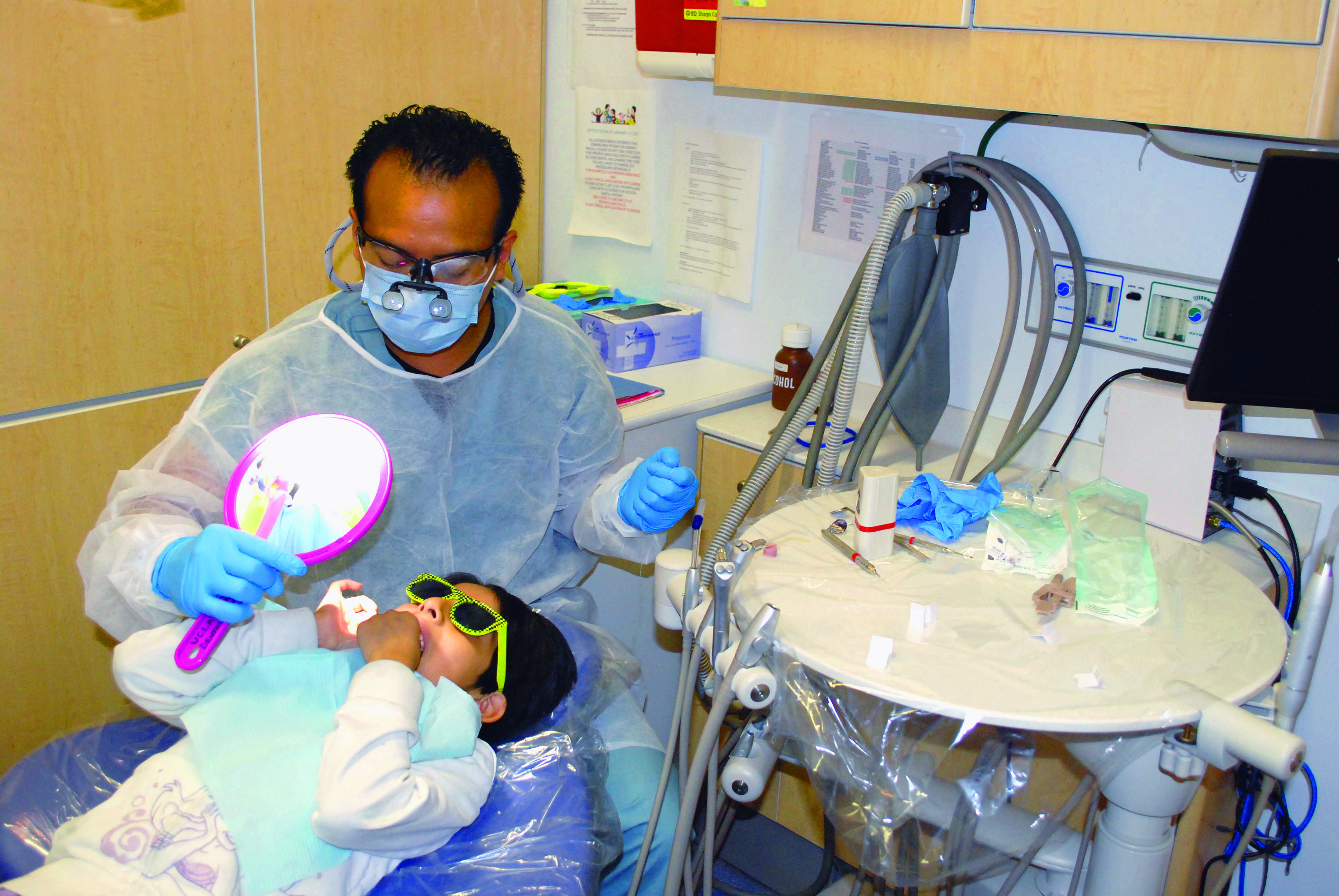
Child at a dentist appointment (UCLA School of Dentistry, CC BY 3.0 https://creativecommons.org/licenses/by/3.0, via Wikimedia Commons)
Every dentist sometime in their career comes across a patient who has dentophobia, also known as odontophobia. Cleveland Clinic defines dentophobia as a fear of dentists. Many situations can cause dentophobia to develop or trigger anxiety due to past experiences. The goal is to be able to help patients who are experiencing dentophobia be comfortable when receiving treatment and prevent situations that can trigger anxiety and cause a patient to refuse care.
In the U.S., approximately thirty-six percent of Americans have a fear of dental treatment, with twelve percent experiencing extreme fear (Cleveland Clinic, 2022). Examples of situations that can cause fear in a patient are:
- Anesthetic: fear that anesthetic will not work during a procedure
- Sight of blood or experience bleeding while the procedure is taking place
- Choking: Due to numbness, one may feel fear that they won’t be able to breathe or swallow
- The Dentist: many may due to past negative experiences, fear being treated by the dentist
- Feeling pain: many fear the amount of pain they may experience during a procedure or have a low pain tolerance
- Needles: may feel fear about the pain one may feel while being injected
- Noise: noise from drills and other instruments can cause one to be afraid during a procedure
- Smells: certain smells can trigger anxiety
(Cleveland Clinic, 2022)
Individuals who have a history of anxiety or panic disorder are at higher risk for developing dentophobia. Here are a list of specific phobias that patients may have that can contribute to dentophobia:
- Algophobia: Fear of pain
- Emetophobia: Fear of vomiting
- Haphephobia: Fear of being touched
- Iatrophobia: Fear of doctors
- Trypanophobia: Fear of needles
(Cleveland Clinic, 2022)
Multiple situations can lead to dentophobia, so dentists and other dental professionals must take a patient’s needs seriously. Do not assume you have a patient who is being dramatic or overreacting. Not only can you retraumatize a patient, but you can start creating a negative reputation for yourself as a professional who lacks the ability to empathize with a patient’s experience or have any understanding of why they feel that way. The moment you start doing so, you are slowly destroying the brand of your practice and yourself as a professional, resulting in a decrease in future patients. One bad review can go a long way.
Causes that can be tied to dentophobia are:
- Family history of anxiety
- Feeling embarrassed, helpless, or vulnerable
- Hearing other patient’s experiences of dentophobia can be triggering
- Past negative experiences, especially if multiple take place
- Traumatic experiences such as bullying, child abuse, and sexual violence can lead to dentophobia
(Cleveland Clinic, 2022)
Symptoms of dental phobia can be at multiple levels and need to be taken seriously. Dentists and dental professionals should look out for the following symptoms:
- Chills
- Dizziness and lightheadedness
- Excessive sweating
- Heart palpitations
- Nausea
- Shortness of breath
- Trembling/shaking
- Upset stomach/indigestion
- Emotional reactions/crying
- Insomnia/lack of sleep before appointment
(Cleveland Clinic, 2022)
Treatment options for patients can be anywhere from meditation to cognitive behavioral therapy. Dentists need to encourage their patients to be honest when it comes to working with them. If dentists cannot care for patients with dentophobia, it can lead to long-term health complications for the patients, not just physically, but mentally as well. Long-term complications include:
- Complications from diabetes
- Decayed teeth
- Gum (periodontal) disease
- Heart disease (coronary artery disease)
- Missing teeth
- Pneumonia and respiratory infections
- Aggression
- Lack of self-confidence and self-esteem
- Sleeping disorders (insomnia)
(Cleveland Clinic, 2022)
There are many tools and techniques that can be used to help a patient. First and foremost, if a patient tells you they have anxiety, believe them and ask them what can you do to help their experience be a positive one. For some patients, talking to them and explaining what you are doing can alleviate anxiety and give them some peace of mind. Encourage patients to bring a friend or family member who can help if they become overwhelmed. If a patient tells you to stop, do so. Unless it is a situation that can put a patient at risk, the best thing you can do is stop, ask if they are ok, and then ask if they are ok with you continuing. Taking the basic steps to help alleviate anxiety is not just beneficial for the patient but for the dental professionals as well.
When it comes to finding dentists who can help patients with dentophobia, it should be something all dentists should be able to handle. That is not the case and there are dentists who lack the ability to do so due to personality or lack of training. If someone is experiencing dentophobia, they should research reviews of dentists as well as talk to people they know who can refer them to someone they can trust.
In conclusion, dentophobia is a fear of dentists. Dentists and other dental professionals should know the signs, symptoms, and be able to offer options to reduce anxiety and offer relief. Good communication, empathy, and compassion are a must for dentists who want to have a successful practice and be able to attract patients for care.
About the author:
Natalie L. Boehm, MBA, RBLP-T is the founder of The Defeating Epilepsy Foundation, artist and business owner of Arte Colorata and an advocate for patients and individuals affected by disability.
Resources:
Cleveland Clinic (2022). Dentophobia (Fear of Dentists). Cleveland Clinic. Retrieved from: https://my.clevelandclinic.org/health/diseases/22594-dentophobia-fear-of-dentists